Health and Safety Policy for Carpet Cleaners SW9
 Health and safety is central to every carpet cleaning activity, from initial preparation to the final inspection. This policy sets out the standards expected from carpet cleaners SW9 so that work is carried out responsibly, safely, and with respect for clients, staff, and property. It applies to all cleaning tasks, including domestic, commercial, and specialist fibre treatments.
Our approach is based on prevention, awareness, and control. Every carpet cleaning service must begin with a careful assessment of the working area, the equipment to be used, and any possible hazards. These may include slippery floors, electrical risks, chemical exposure, poor ventilation, trip hazards, or manual handling strain. By identifying risks early, we reduce the chance of harm and improve the quality of the service.
All personnel involved in carpet cleaning in SW9 are expected to follow safe working procedures at all times. This includes using suitable personal protective equipment, keeping work areas tidy, and making sure that cleaning products are stored and handled correctly. The aim is to maintain a safe environment while achieving effective results on every job.
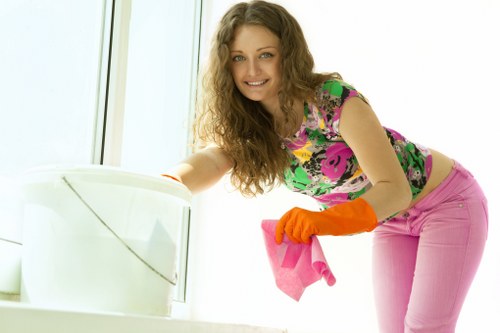 Training is an essential part of this policy. Every operative should understand the correct use of cleaning machines, detergents, stain removers, and drying equipment. They should also be aware of the safe limits of each product and the correct method for dilution, application, and disposal. Carpet cleaning professionals must never rely on guesswork when using chemicals or machinery.
Work equipment must be inspected before and after use. Power leads, plugs, extraction machines, hoses, and vacuum units should be checked for visible damage, faults, or signs of wear. Any defective item must be removed from service immediately. Maintaining equipment in good condition is a key part of safe carpet cleaning and helps prevent accidents such as shocks, leaks, or machine failure.
Manual handling is another important risk area. Moving equipment, shifting furniture when permitted, and carrying supplies can place strain on the back, shoulders, and arms. Staff should use correct lifting methods, avoid twisting movements, and request assistance for heavy or awkward items. Where possible, tasks should be planned to minimise repeated lifting and unnecessary physical effort.
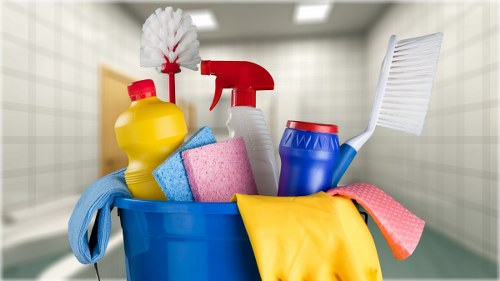
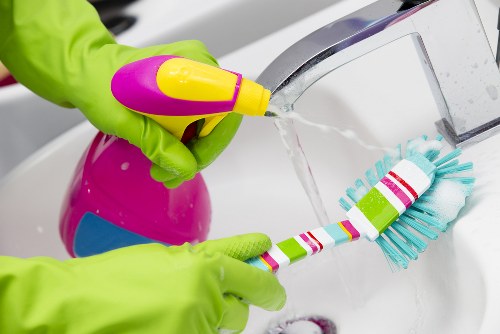
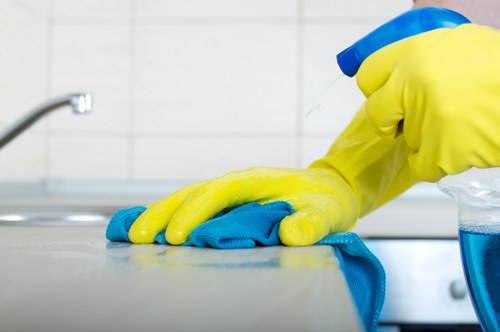
 Chemical safety must be managed with particular care. Cleaning solutions should always be used according to manufacturer instructions and never mixed unless this has been approved for safe use. Containers must be clearly labelled and kept out of reach of unauthorised persons. Gloves, masks, or eye protection should be worn when required, especially when dealing with strong detergents or stain treatments.
Ventilation also matters during carpet cleaning operations. Some products may release fumes or create irritation in enclosed spaces. Operatives should ensure adequate airflow wherever possible and avoid unnecessary exposure. If a product causes irritation, discomfort, or an unexpected reaction, work should stop immediately and the situation assessed before continuing.
Slip prevention is a core requirement of this policy. Wet carpets, freshly treated areas, and trailing hoses can all create hazards. Warning signs should be used when appropriate, and access should be controlled until surfaces are safe. Staff must keep pathways clear and manage equipment placement carefully to reduce the chance of falls.
Responsibilities and Safe Practice
Management is responsible for making sure that health and safety standards are implemented consistently. This includes providing suitable equipment, maintaining training records, reviewing procedures, and taking action where risks are identified. Carpet cleaners SW9 should have clear instructions for reporting incidents, near misses, damaged equipment, and unsafe conditions.
Employees and contractors also have a duty to act responsibly. They must follow instructions, use equipment correctly, and avoid any behaviour that could put themselves or others at risk. Good housekeeping is essential. Spills should be cleaned promptly, waste should be disposed of safely, and materials should be stored neatly to prevent obstruction and contamination.
 In addition, attention must be given to protecting the client’s property. Furniture, decorative items, flooring edges, and electrical outlets should be treated with care. Cleaners should move only what has been agreed and should use protective pads or covers where needed. This careful approach supports both safety and professional standards.
Risk Control and Emergency Response
Emergency procedures should be understood by all staff. If an accident occurs, the immediate area must be made safe before further work continues. Depending on the situation, this may involve isolating electrical equipment, containing a spill, or restricting access to a room. First aid support should be sought when necessary, and all incidents should be recorded accurately for review.
Fire safety is also relevant in environments where electrical equipment, extension leads, and chemicals are present. Operatives should avoid overloading sockets and should keep flammable materials away from heat sources. Any suspicion of overheating, smoke, or unusual machine behaviour must be reported at once. Safe carpet cleaning practice includes responding quickly and calmly to developing hazards.
Where work is carried out in shared or busy premises, communication becomes especially important. Staff should make their presence known, explain any temporary restrictions, and ensure that those nearby understand when floors may be wet or equipment in use. Clear communication reduces confusion and helps maintain a controlled working environment.
Review, Monitoring, and Continuous Improvement
Health and safety arrangements should be reviewed regularly to ensure they remain effective. Equipment, products, and working methods can change over time, so policies must be updated to reflect current practice. Observations from routine work, incident records, and internal checks should all be considered when improving procedures. The goal is to keep carpet cleaners prepared for practical risks without adding unnecessary complexity.
Supervisors should monitor compliance with safe systems of work and address concerns promptly. If a particular task creates repeated difficulty, such as heavy lifting or chemical handling, the method should be revised. A proactive approach helps protect health over the long term and supports reliable service delivery.
 This policy demonstrates the commitment of carpet cleaning professionals to operate safely, carefully, and consistently. By following established controls, using equipment responsibly, and remaining alert to risk, carpet cleaners SW9 can provide a dependable service while protecting people, property, and workplace wellbeing.