Sofa and upholstery cleaning near Brixton Station: a practical local guide for cleaner, healthier furniture
If you live, work, or spend a lot of time near Brixton Station, sofa and upholstery cleaning is one of those jobs that quietly makes everything feel better. The room smells fresher. The fabric looks brighter. And suddenly that tired armchair or stained sofa does not dominate the whole space anymore. Whether you are dealing with everyday grime, drink spills, pet hair, or the slow build-up of city dust, Sofa and upholstery cleaning near Brixton Station is a sensible way to protect your furniture and improve how your home feels day to day.
This guide explains how the cleaning process works, what to expect, who benefits most, and how to avoid the mistakes that cause shrinkage, colour loss, or that annoying damp smell that lingers far too long. We will keep it practical. No fluff. Just the kind of detail that helps you decide what to do next.
Why Sofa and upholstery cleaning near Brixton Station Matters
Upholstered furniture works hard. Sofas, dining chairs, headboards, office reception seating, footstools, and ottomans all collect the small things you barely notice at first: body oils, dust, crumbs, skin flakes, deodorant residue, pet dander, pollen, and the occasional coffee accident. Around Brixton Station, where daily movement is constant and homes are often close to busy roads, that build-up can happen faster than people expect.
There is also the matter of fabric wear. Dirt particles act a bit like fine sandpaper. Every time someone sits down, shifts position, or leans on an armrest, those particles rub against the fibres. Over time, that can make the fabric look dull or worn even when the furniture is still structurally fine. To be fair, most people do not notice this until one cushion is cleaned properly and the contrast is suddenly obvious.
Then there is hygiene. Upholstery can hold odours and allergens, especially in shared homes, family spaces, or rentals with high turnover. If you have children, pets, or guests coming in and out often, regular cleaning is not just about appearance. It is about making the room more comfortable to live in.
Expert summary: good upholstery cleaning is not just a cosmetic tidy-up. Done properly, it helps protect the fabric, reduce odours, improve day-to-day comfort, and extend the usable life of your furniture.
Local context matters too. In and around Brixton Station, people often want quick turnaround, minimal disruption, and cleaning that suits flats, maisonettes, shared houses, and busy commercial spaces. That means the service needs to be practical as well as thorough. Nobody wants a sofa out of action for days if it can be avoided.
How Sofa and upholstery cleaning near Brixton Station Works
The exact method depends on the fabric, the age of the furniture, and the type of soil or staining involved. A proper upholstery clean starts with inspection. That sounds simple, but it matters a lot. Different fabrics react differently to heat, moisture, and agitation. Microfibre, wool blends, cotton, synthetic fabrics, velvet, linen, and mixed upholstery all need slightly different handling.
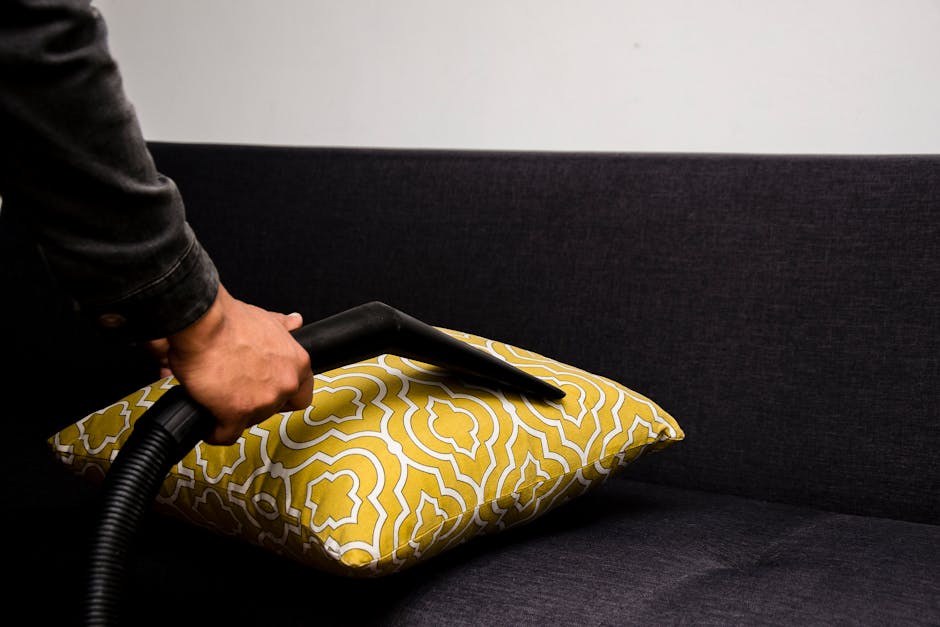
Usually, the process begins with a fabric check and a test patch in a less visible area. That helps confirm whether the colour is stable and whether the cleaning solution is safe to use. After that, loose dirt is removed with vacuuming and careful agitation around seams and creases. Those creases hide more dust than people think. It is one of those oddly satisfying parts of the job when done well.
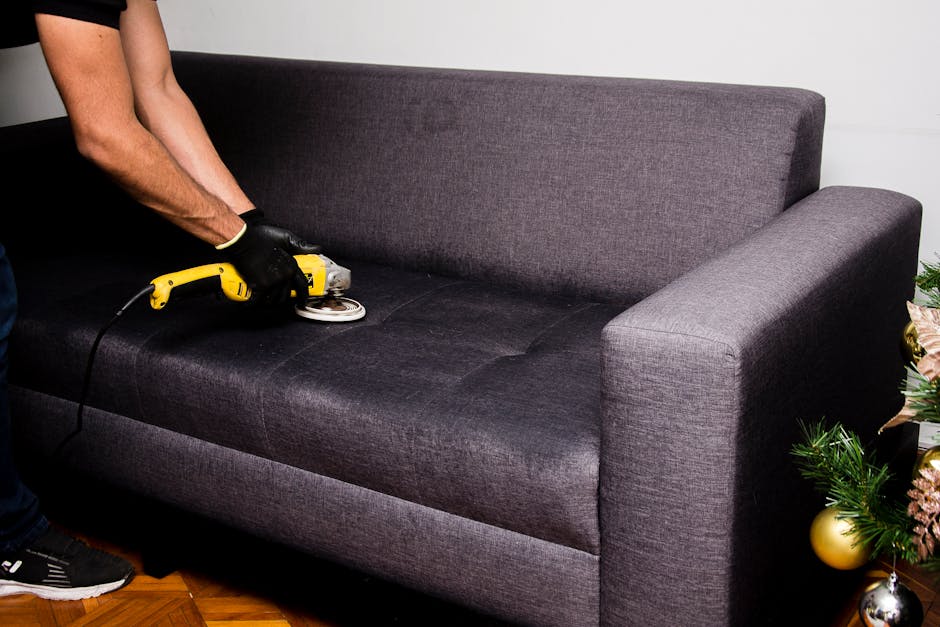
Then comes the actual cleaning stage. Depending on the fabric and condition, this may involve low-moisture cleaning, hot water extraction, dry compound methods, foam cleaning, or hand-cleaning of delicate sections. The right approach aims to lift dirt without over-wetting the material. Over-wetting is where trouble starts: slow drying, watermarking, fabric distortion, and sometimes a musty smell that seems to appear out of nowhere at 10pm. Brilliant.
After cleaning, the furniture is rinsed or neutralised if needed, then carefully dried. Good airflow helps a lot. In a small flat near Brixton Station, that can mean opening windows, using fans, and avoiding heavy use of the furniture until it is fully dry. Skilled cleaners will also advise on drying times, which vary depending on fabric and room conditions.
If you are comparing broader support for your home, services like domestic cleaning, deep cleaning, and one-off cleaning often sit well alongside upholstery care, especially if you want a fuller reset rather than a single-room refresh.
Key Benefits and Practical Advantages
A professional sofa or upholstery clean gives you more than a nicer-looking chair. The value is usually felt in everyday living. The room feels fresher. The furniture looks better in natural light. And you stop noticing that one stubborn mark every time you sit down, which is a relief, honestly.
- Better appearance: fabric colours often look clearer and more even after soil is removed.
- Improved freshness: odours from food, pets, sweat, and general use are reduced.
- Longer furniture life: removing abrasive dirt helps slow down wear.
- More comfortable space: a clean sofa simply feels better to use.
- Useful for moving or hosting: a cleaned sofa makes a home feel more presentable before guests arrive or before a tenancy check-out.
There is also a practical side for landlords, tenants, and homeowners. If you are preparing a property for viewings or the end of a tenancy, upholstery can influence first impressions more than people realise. A clean sofa in the living room can make the whole place feel maintained, even if the rest of the flat still needs a bit of work.
For business settings near the station, upholstered seating in waiting rooms, treatment rooms, or small offices benefits from regular maintenance too. That is where a service such as office cleaning or office cleaners can complement upholstery care nicely, especially when the furniture sees a lot of foot traffic.
Who This Is For and When It Makes Sense
Sofa and upholstery cleaning is not just for people with visible stains. In fact, some of the best times to clean are before the fabric looks obviously dirty. That is how you stay ahead of wear rather than chasing it after the fact.
This service makes sense if you are:
- living in a flat, house share, or family home near Brixton Station
- moving in or moving out and want the furniture to feel genuinely fresh
- dealing with pet hair, odours, or repeated use marks
- managing a rental property or furnished short-let
- running a business with upholstered seating in reception or client areas
- trying to rescue a sofa after a spill, smoke exposure, or everyday build-up
It also makes sense if someone in the household has allergies or simply prefers a cleaner indoor environment. No magic claims here. Just common sense. Less dust in the fabric usually means less dust being stirred around when people sit, lean, or fluff cushions.
And sometimes the reason is purely practical: a sofa was expensive, it still has life left in it, and replacing it would be wasteful. That is a perfectly fair reason.
Step-by-Step Guidance
If you are booking or arranging sofa and upholstery cleaning near Brixton Station, here is the process in plain English.
- Identify the fabric and problem areas. Look for care labels if they are available. Note stains, odours, pet damage, and any previous cleaning attempts.
- Vacuum thoroughly first. This removes loose dirt, hair, and grit so the main clean is more effective.
- Test a small hidden section. A responsible cleaner should check colour stability before applying any product widely.
- Choose the right method. Delicate fabrics may need low-moisture or hand-cleaning, while tougher synthetics may suit extraction or foam methods.
- Treat stains individually. Different stains need different approaches. Coffee is not the same as grease, and pet urine is a different headache again.
- Clean the whole piece evenly. Spot cleaning alone can leave tide marks or patchy colour differences.
- Rinse or neutralise as needed. This helps prevent sticky residue and keeps the fabric from attracting dirt too quickly afterwards.
- Dry with care. Good ventilation and sensible airflow are key. Do not rush heavy use.
- Finish with a final check. Look for missed marks, damp areas, or places where pile direction needs gentle brushing back into shape.
If you are also looking after other soft furnishings, it may be worth combining work with rug cleaning or window cleaning so the whole room feels finished rather than half-done.
Expert Tips for Better Results
A few small choices make a surprisingly big difference. In our experience, the best upholstery results usually come from preparation, patience, and not trying to force a one-size-fits-all approach.
- Check labels before anything else. Fabric care instructions are worth more than guesswork.
- Act quickly on spills. Blot gently. Do not scrub hard, because scrubbing can push the stain deeper and roughen the pile.
- Clean before the sofa looks desperate. Regular maintenance is easier than rescue work.
- Watch the drying conditions. A cool room with no airflow can leave fabric feeling damp for longer than expected.
- Use cushion rotation. Flipping and turning cushions helps wear stay more even.
- Be careful with DIY sprays. Some leave residue or create patchiness that later attracts more dirt.
One simple tip that people forget: test how the room smells after cleaning, not just how it looks. A sofa can appear clean but still hold onto a faint sour note if drying was incomplete. That little sniff test, done properly, is useful. Slightly awkward, sure. Very useful, though.
If you want to reduce recurrence of dirt, think about the surrounding routine too. Shoeless areas, throws on high-use seats, and regular vacuuming around seams all help. Nothing glamorous. Works well.
Common Mistakes to Avoid
Most upholstery problems after cleaning come from avoidable errors rather than the cleaning itself. That is the good news. The bad news is that people often make the same ones.
- Using too much water: this can cause slow drying, odour, and fabric distortion.
- Scrubbing stains aggressively: that may spread the stain or damage the fibres.
- Ignoring colour-fastness tests: some dyes bleed or fade when exposed to moisture or products.
- Cleaning only the stain: spot-only treatment often leaves visible patches.
- Skipping ventilation: poor airflow is a common reason for lingering dampness.
- Using the wrong product on delicate fabric: velvet, silk blends, and certain naturals need caution.
- Putting cushions back too soon: this traps moisture and can flatten the nap.
Let's face it, nobody wants a so-called clean sofa that still feels clammy the next morning. Better to take the drying seriously and let the fabric recover properly.
Tools, Resources and Recommendations
The right equipment makes a big difference. Professional upholstery cleaning usually relies on purpose-built vacuums, fabric-safe detergents, extraction or low-moisture machines, grooming brushes, and drying support such as air movers or fans. The point is not to flood the furniture. The point is to lift dirt cleanly and leave the material in good condition.
If you are managing a home or a small property around Brixton Station, these related services can also be useful depending on what else needs attention:
- sofa cleaning for targeted furniture care
- upholstery cleaning for chairs, headboards, and other fabric items
- carpet cleaning if floor textiles need the same reset
- deep cleaning for a broader whole-property refresh
When comparing providers, look for practical signs of care rather than big promises. Do they explain fabric suitability clearly? Do they mention testing? Do they talk about drying time honestly? Those are better signals than a flashy sales line. Also, if you need broader service information, the company's pricing and quotes page is usually the right place to understand how estimates are handled, while the insurance and safety page helps you check the basics before anyone steps into your home.
Law, Compliance, Standards, or Best Practice
Upholstery cleaning is not heavily regulated in the same way as some specialist trades, but there are still important best-practice expectations in the UK. A trustworthy cleaner should work carefully, use products appropriately, follow safe handling procedures, and respect the condition of the furniture and the property.
For domestic and commercial work, it is sensible to expect:
- clear communication about what cleaning method is suitable
- careful use of chemicals and sensible ventilation
- attention to health and safety around wet floors, electrical items, and access routes
- insurance coverage that is appropriate for the work being carried out
- respect for privacy, belongings, and the customer's space
If you are booking a cleaning service in a busy area near Brixton Station, access and building etiquette matter too. Flats can have narrow stairwells, shared entrances, or timing restrictions. Good practice means arriving prepared, protecting the route, and keeping disruption to a minimum.
You may also want to review a provider's general standards pages, including health and safety policy, terms and conditions, and privacy policy. Those pages are not exciting reading, no, but they do tell you a lot about how the business operates.
Options, Methods, or Comparison Table
Different upholstery fabrics and situations call for different methods. Here is a straightforward comparison to help you think it through.
| Method | Best for | Strengths | Watch-outs |
|---|---|---|---|
| Hot water extraction | Tougher synthetic upholstery and general soil build-up | Deep dirt removal, good for heavily used seating | Can over-wet delicate fabrics if used carelessly |
| Low-moisture cleaning | Flats, busy homes, and fabrics that should not stay wet for long | Faster drying, less disruption | May need more careful stain treatment on older marks |
| Foam cleaning | General maintenance on suitable fabrics | Controlled moisture and decent surface agitation | Not ideal for every fibre type |
| Hand cleaning / spot work | Delicate fabrics and small problem areas | Gentle on sensitive materials | Less suited to full heavy soiling on large sofas |
There is no universal "best" option. The correct method depends on the fabric, the level of soiling, and how quickly the item needs to be back in use. Sometimes the smartest approach is a careful hybrid: vacuum, spot treat, light agitation, then a controlled clean with careful drying.
Case Study or Real-World Example
A common local scenario goes like this. A family in a flat a short walk from Brixton Station notices their cream sofa has started to look grey around the seat cushions and armrests. Nothing dramatic, just that dull, lived-in look that slowly creeps in. There is also a faint food smell because the sofa sits right beside the kitchen-diner area.
Rather than replacing it, they arrange a proper upholstery clean. The cleaner inspects the fabric, checks a hidden patch, and uses a method that suits the sofa's blend. The main issue is not one large stain but a combination of body oils, fine dust, and uneven wear. After cleaning and drying, the colour looks more even. The room feels fresher in the evening, especially once the windows are opened for a while and the air moves through.
The biggest change is not dramatic on paper. It is the small daily one. The sofa no longer looks tired in daylight, and the family feels more relaxed having guests over. That is often how it goes. Not a miracle, just a solid improvement you notice every time you sit down.
If the same household wanted a broader refresh, they might pair upholstery care with home cleaners or house cleaning so the whole place feels properly reset rather than just one piece of furniture.
Practical Checklist
Use this quick checklist before booking or carrying out sofa and upholstery cleaning near Brixton Station.
- Check the fabric label or care guidance if available.
- Identify stains, odours, and high-wear areas in advance.
- Vacuum the upholstery thoroughly before the main clean.
- Ask what cleaning method is being used and why.
- Confirm whether a test patch will be carried out.
- Make sure the room can be ventilated properly afterwards.
- Keep pets and children away while the fabric dries.
- Avoid sitting on the furniture until it is fully dry.
- Rotate cushions once dry to help the finish look even.
- Consider combining the job with related cleaning if the room needs a fuller refresh.
Quick takeaway: the best upholstery cleaning is careful, fabric-aware, and honest about drying time. That combination does more than chase stains. It protects the furniture.
Get a free quote today and see how much you can save.
Conclusion
Sofa and upholstery cleaning near Brixton Station is one of those services that pays off in small, very real ways. The furniture looks better. The room feels more comfortable. And you get to keep good pieces in service for longer instead of replacing them too soon. That matters, especially when life is busy and the sofa is basically the unofficial centre of the home.
Whether you are dealing with a single stubborn mark, a full refresh before guests arrive, or a careful clean for a property that needs to feel well kept, the key is choosing the right method and giving the fabric the attention it deserves. Simple as that, really. And when it is done well, you notice it every day, even if only a little.
Sometimes the nicest thing about a clean sofa is not what you see. It is the quiet sense that the room has been looked after.
Frequently Asked Questions
How often should sofa and upholstery cleaning be done near Brixton Station?
That depends on use. Busy family homes, pet households, and furnished rentals may need cleaning more often than a low-use guest room. A sensible approach is to clean before dirt becomes visible and before odours settle in.
Can every type of fabric be steam cleaned?
No. Some fabrics tolerate moisture well, while others need a gentler method. Delicate or natural fibres may require low-moisture or hand-cleaning, so a fabric check is essential.
How long does upholstery take to dry?
Drying time varies with fabric type, the cleaning method, room temperature, and ventilation. Some items dry fairly quickly, while heavier cleaning jobs can take longer. Good airflow helps a lot.
Will cleaning remove old stains completely?
Sometimes yes, sometimes partly, and sometimes not fully. Older stains can bond with fibres or set during previous DIY attempts. A professional clean can often improve them significantly, but no honest cleaner should promise perfection every time.
Is sofa cleaning worth it for a cheaper sofa?
Usually yes if the sofa is still structurally sound and useful. If replacing it would cost more than cleaning, or if the piece fits your space well, cleaning is often the better value.
Can upholstery cleaning help with pet smells?
Yes, often it can reduce them a great deal, especially when the smell comes from surface soil, oils, or general use. Deep-set pet accidents may need more targeted treatment.
Do I need to move the furniture before the cleaner arrives?
Not always, but it helps to clear small items, breakables, and clutter around the piece. If access is tight, let the cleaner know in advance so the job can be planned properly.
What should I do before the cleaning appointment?
Vacuum the sofa if you can, remove loose cushions or throws if advised, and make sure the area can be reached easily. If there are problem stains, point them out at the start.
Is upholstery cleaning safe for rented flats?
Yes, provided the method is suitable for the fabric and the property is ventilated properly afterwards. It is a common and sensible choice for furnished rentals and end-of-tenancy preparation.
Can I clean upholstered furniture myself?
You can do light maintenance, but be careful with products, moisture, and scrubbing. DIY is fine for simple vacuuming and gentle blotting, yet a full clean is riskier if you do not know the fabric type.
What is the difference between sofa cleaning and upholstery cleaning?
Sofa cleaning usually refers to the sofa itself, while upholstery cleaning covers a wider range of fabric items such as chairs, headboards, benches, and office seating. The techniques overlap quite a bit.
How do I know if a cleaning company is trustworthy?
Look for clear explanations of methods, sensible safety information, transparent terms, and straightforward communication. Pages such as about us, complaints procedure, and payment and security can also give useful reassurance.